

A Thames-side pavilion hosting community events, evening dinners and a daily café whilst rewriting the narrative of Erith’s regeneration.
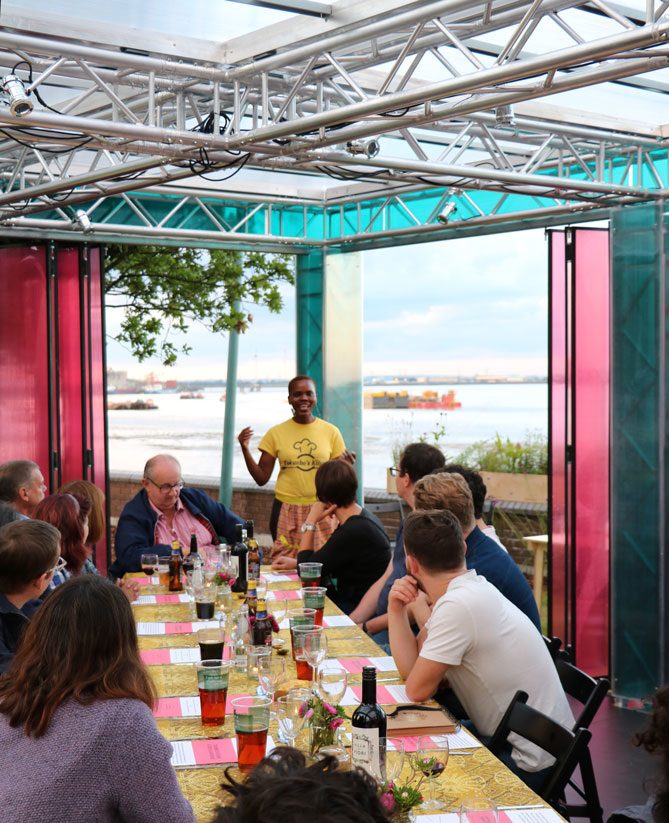
Erith Lighthouse stood at two locations alongside the Thames at Erith in Summer 2017. It hosted a community events programme, a daily café and a season of evening dining events, and aimed to celebrate Erith’s connection to the river and identity in the context of significant growth.
The Lighthouse is a flexible structure which folds open on all four sides to exploit views and adjacencies. With a structure made of theatrical rigging clad in polycarbonate, it is a distinctive and colourful presence on the riverfront. In its siting, form and function, it evokes the fragile structures that once lined the Thames locally whilst also borrowing languages from Erith’s industrial history.
During a 6-week programme, the Lighthouse hosted 16 sold-out dinners by notable young chefs, each of whom developed menus inspired by the culinary and agricultural history of the Thames Estuary and Kent. During the day it served as a community café that opened up the riverside to local residents, and as a venue for a wide variety of community-facing cultural events including walking tours, local beer tastings, community oral history sessions and concerts.
The Lighthouse emerged out of Erith Meanwhile, a study undertaken by DK-CM and The Decorators which explored the potential of temporary projects to re-engage Erith with its waterfront and celebrate the town.

As part of the programme of events organised for Erith Lighthouse by The Decorators, a podcast was recorded with local residents to record their views on the impact of the Lighthouse and its legacy in the local area.


A strategy proposing impactful, socially-produced meanwhile use projects for Erith.

A major new history of the London pub, explored through multiple voices and perspectives and edited by David Knight and Cristina Monteiro.
Design guidance to support the creation of great waterway places in England and Wales.
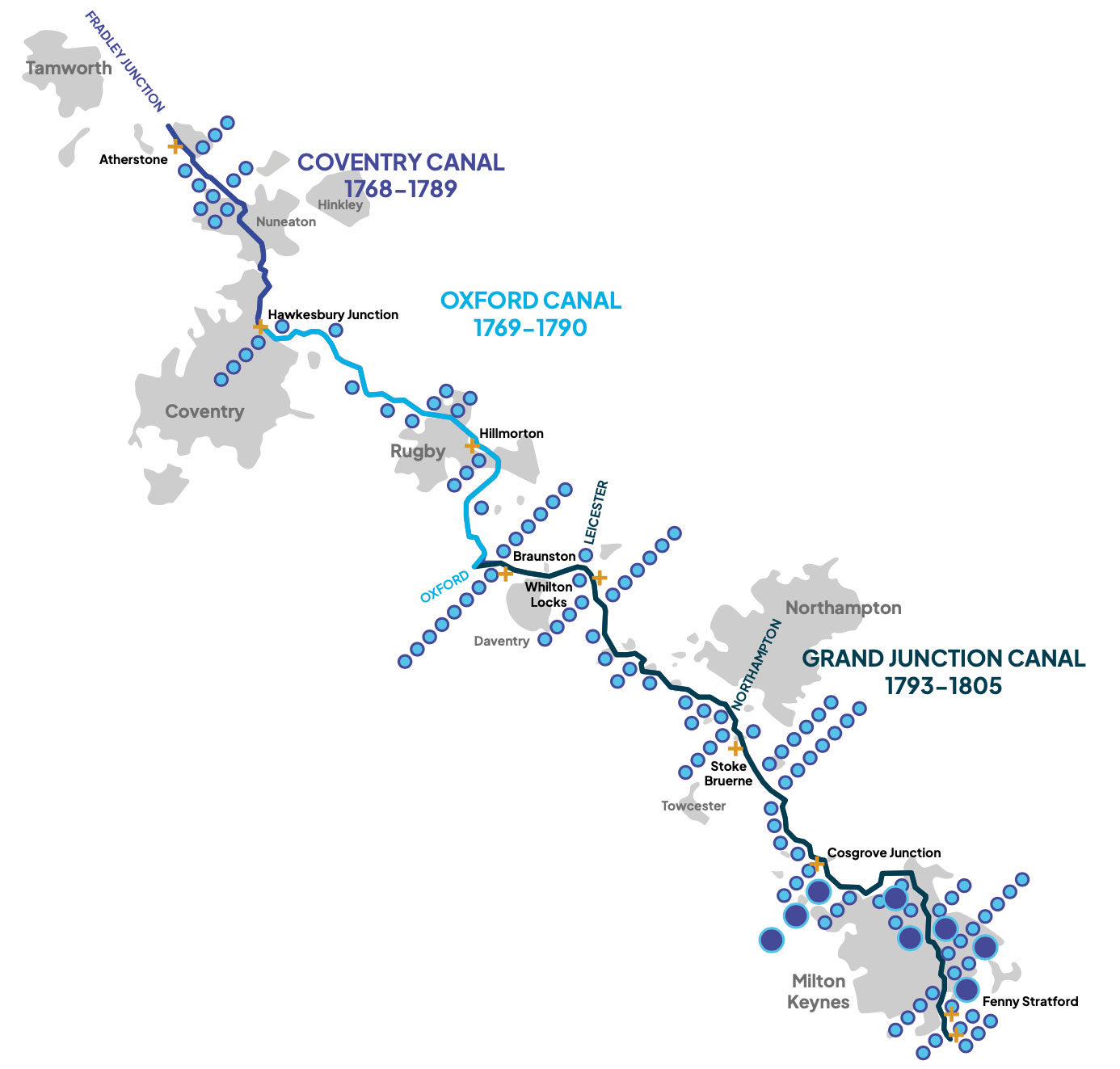
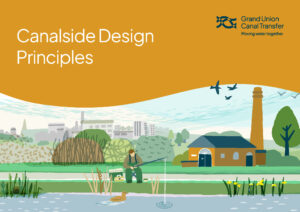
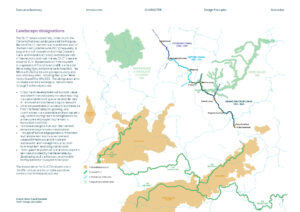
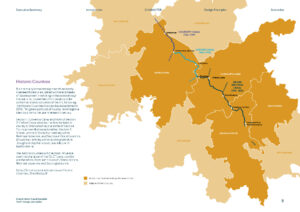
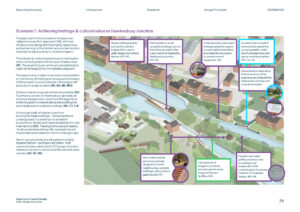
GUCT Canalside Design Principles
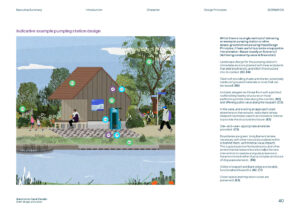
Design principles for canalside infrastructure, part of the Grand Union Canal Transfer (GUCT) project, a vital scheme bringing water from the Midlands to the Southeast.
A vision to enhance public life on the water in the Royal Docks, aiming to create London’s most welcoming public space.
Picturing the future Royal Docks neighbourhoods and building upon our placemaking work for London’s only Enterprise Zone.
Harbour Place Shaping Strategy
Reimagining Bristol’s harbour as a waterborne park for the whole city, through a comprehensive 20-year strategy.
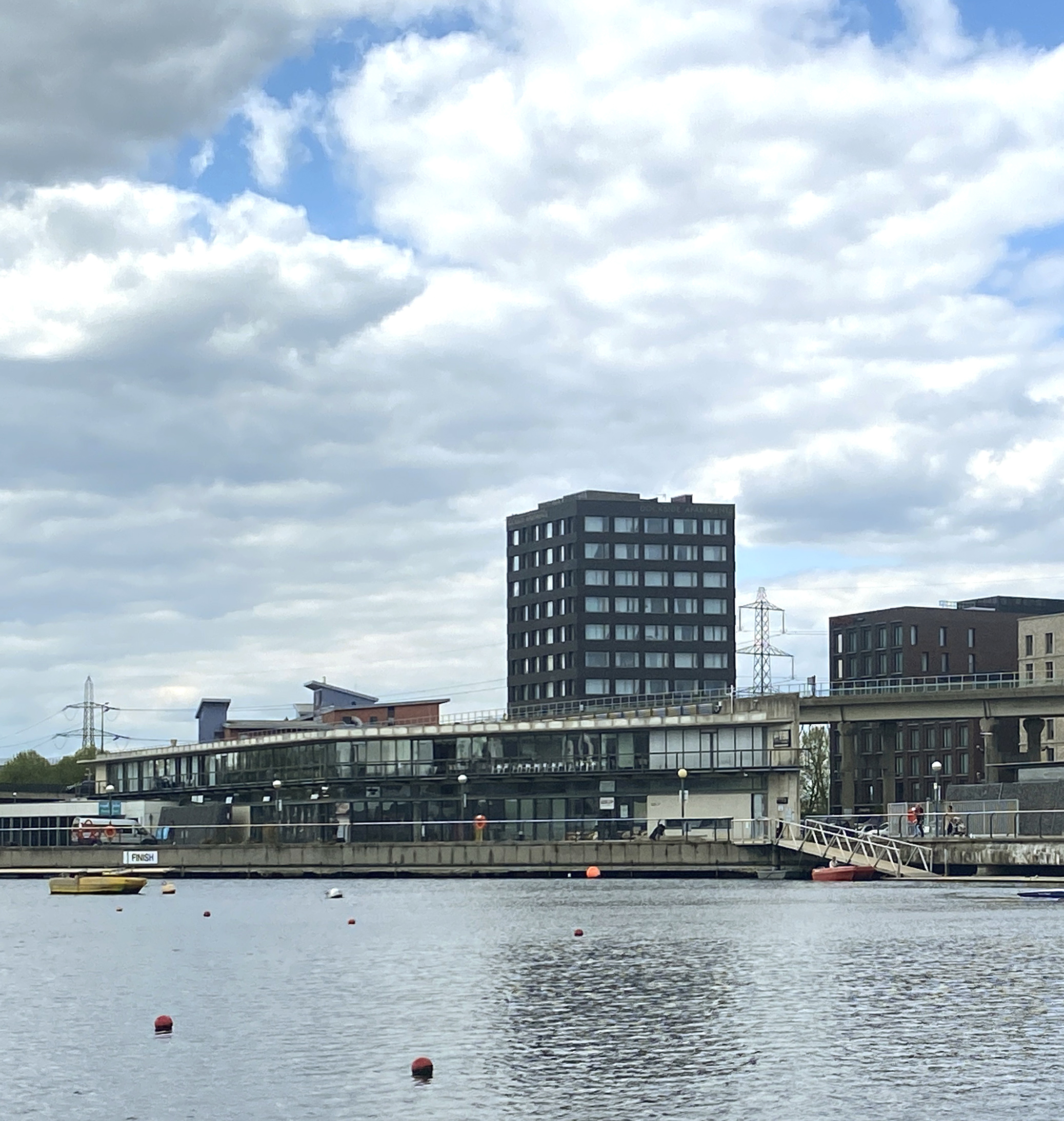
Royal Docks Watersports Centre
Helping to expand the offer and accessibility of this vital watersports and rowing charity.
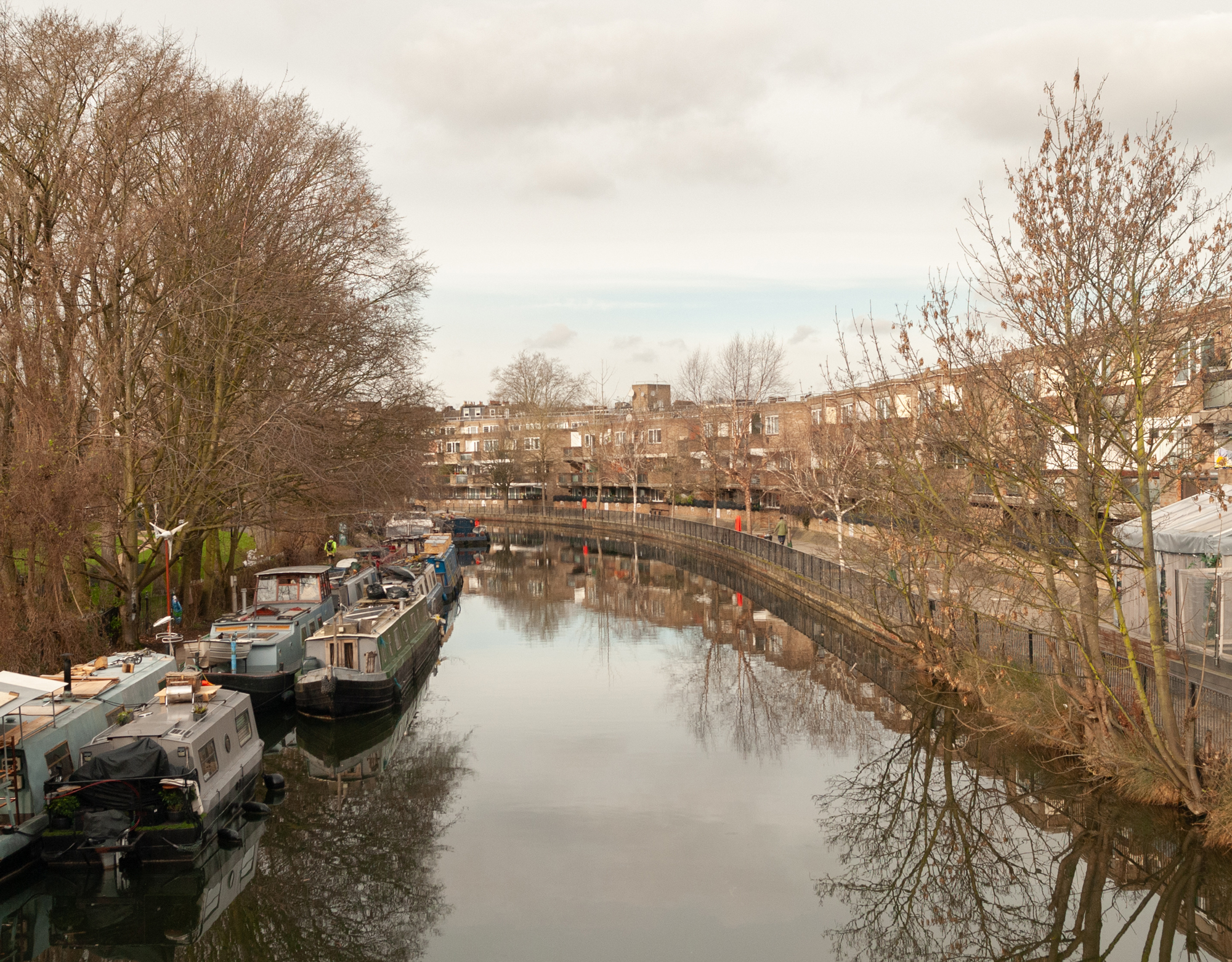
Strategic work to improve accessibility and environmental sustainability in and round the Regent’s Canal in Paddington, informed by extensive public engagement work.

Royal Docks Placemaking Strategy
Placemaking and water activation for London’s only Enterprise Zone.

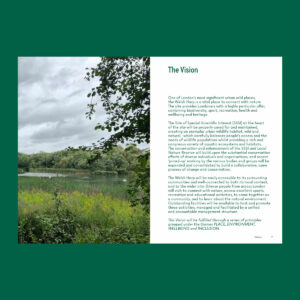
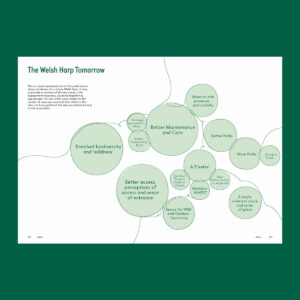
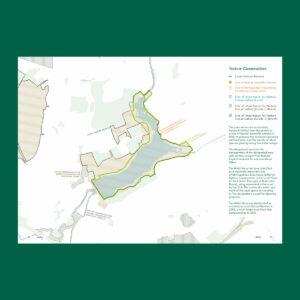
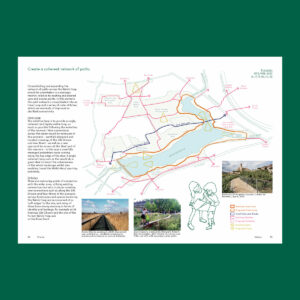
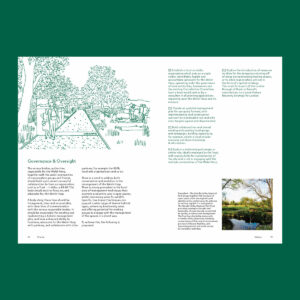
Developing a collective vision for the Welsh Harp reservoir and surrounding public landscapes.
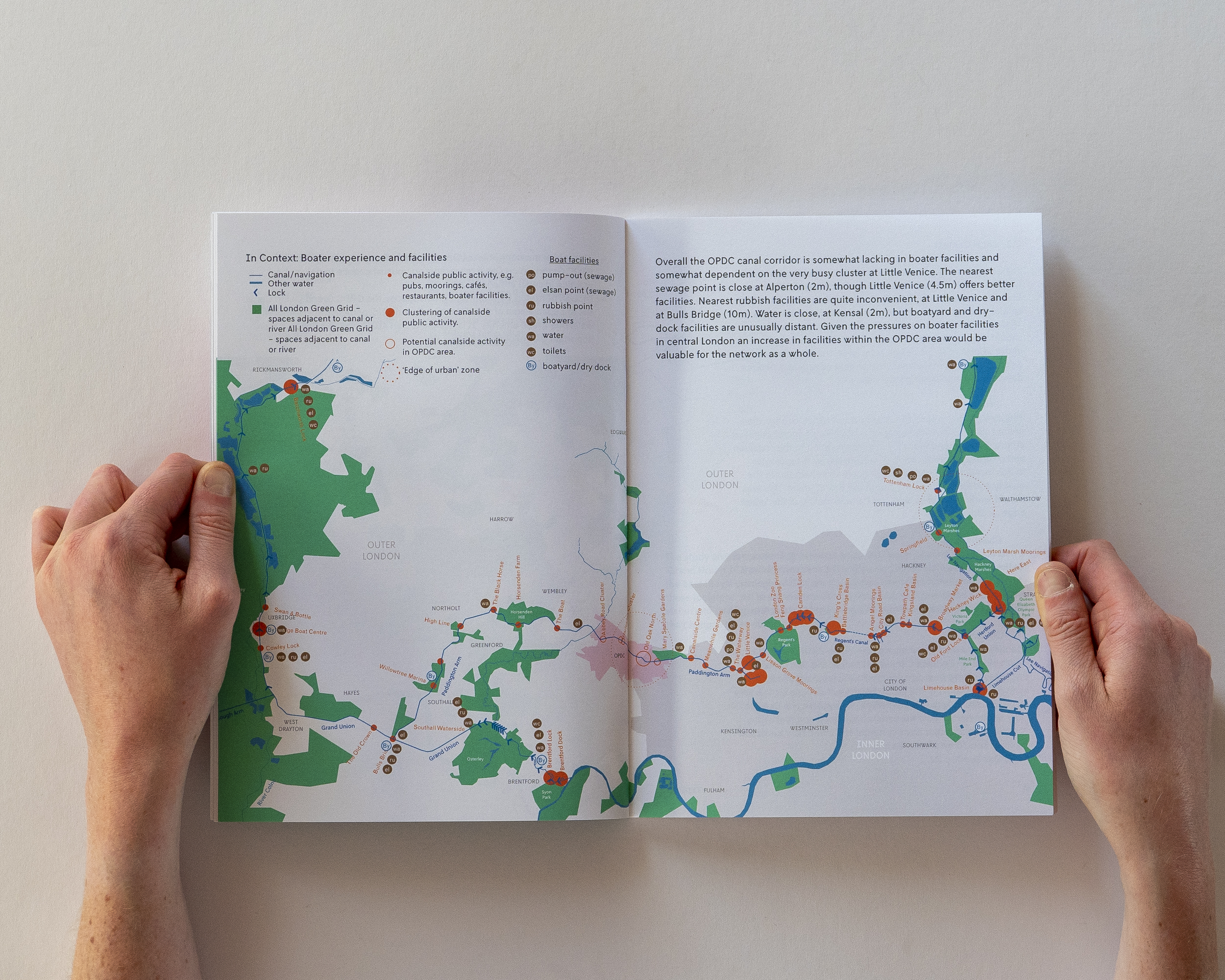
A vision for the Grand Union Canal at Old Oak and Park Royal, capturing its existing qualities and setting out strategies for its improvement and preservation.

Exploring the needs and ambitions of the Royal Docks business community.
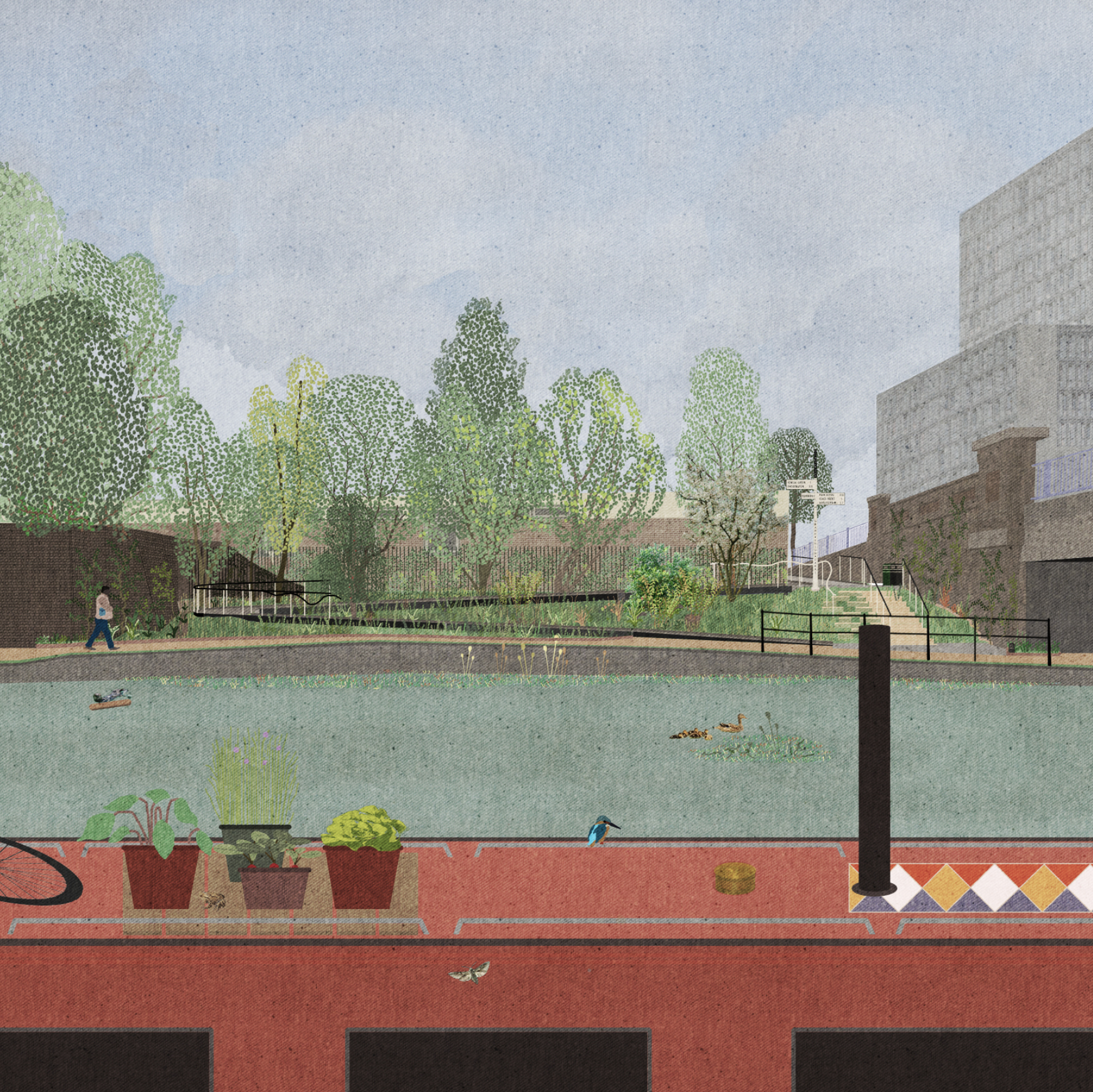
Exemplar access to the Grand Union Canal, for the Old Oak and Park Royal Development Corporation.
A public document exploring Bristol’s harbour as it is prior to developing a 20-year Place Shaping Strategy for the area.
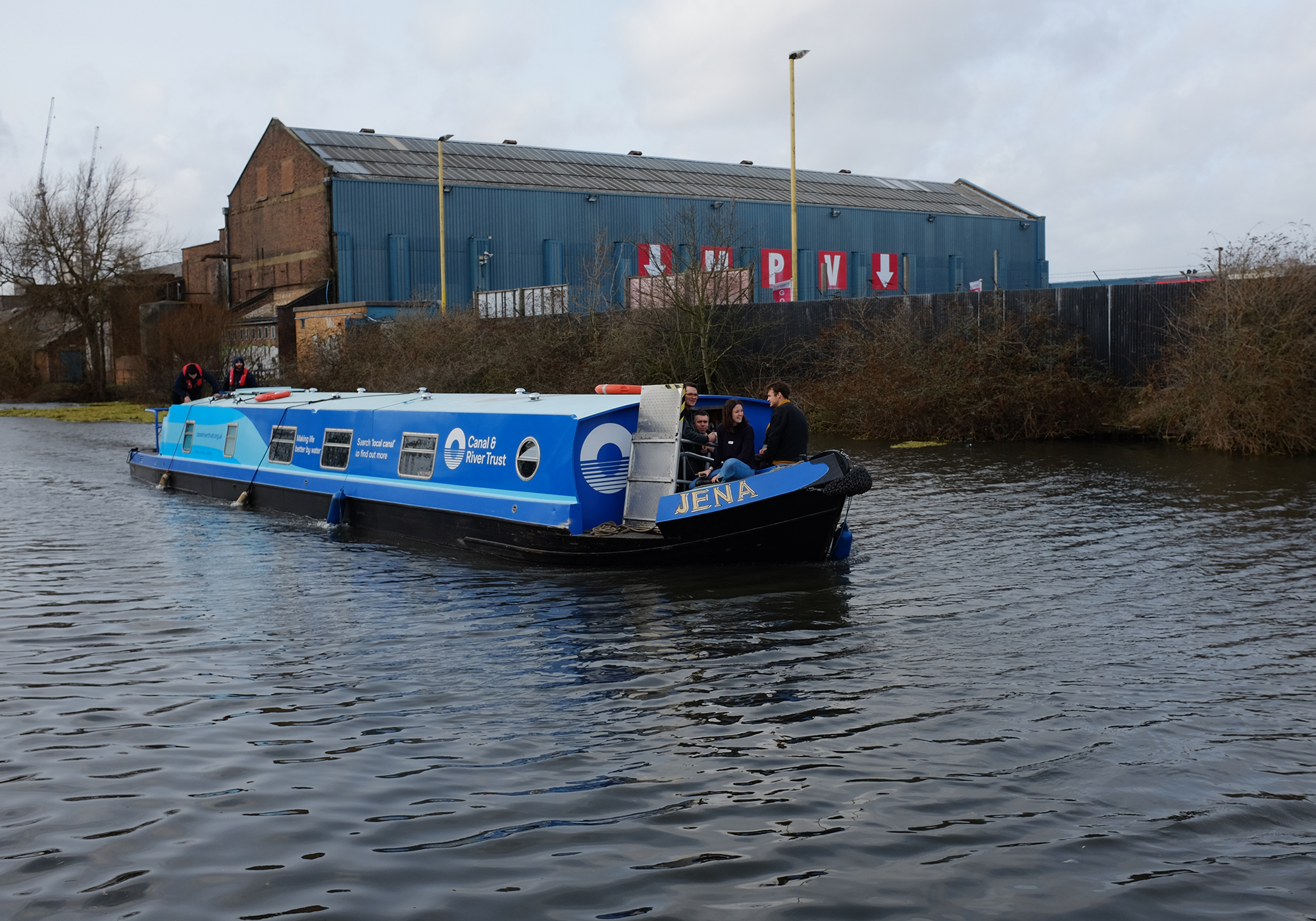
Listening to the Grand Union Canal
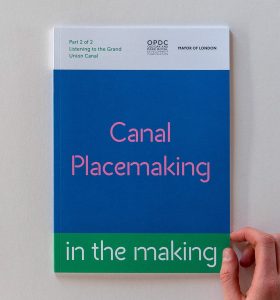
An engagement study which captures the use and perceptions of the canal at Old Oak and Park Royal.
Exploring the history and identity of the ‘Sugar Mile’ – a key transport artery threading together London’s Royal Docks.

A public realm strategy for Pudding Mill, one of the new neighbourhoods proposed around the Queen Elizabeth Olympic Park.

Action plan exploring how the industrial areas of Barking & Dagenham can be used to enrich the borough’s creative enterprises.